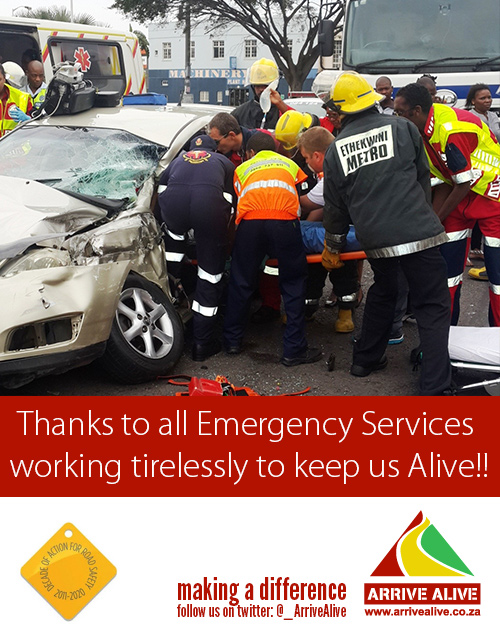
Our Emergency Medical Services deserve all our respect for their hard work in often very challenging conditions. During 2014 we shared some insights on their daily activities in a page titled “Day in the life of an advanced life-support paramedic in KZN”
We believe that an informed driver is a safer driver and that information on what emergency response teams experience on the roads could contribute towards an attitude of defensive driving by those sharing the roads.
In this Q&A we would like to share some insights from the paramedics reflecting on the Festive Season on the roads of KZN.
How would you describe the Festive Season and the demands on the Emergency Medical Services in KZN - Is it a much higher workload than usual?
Yes the work load is definitely greater. There is also often a greater volume of traffic on the road and more people in the province as well as many people are on leave.
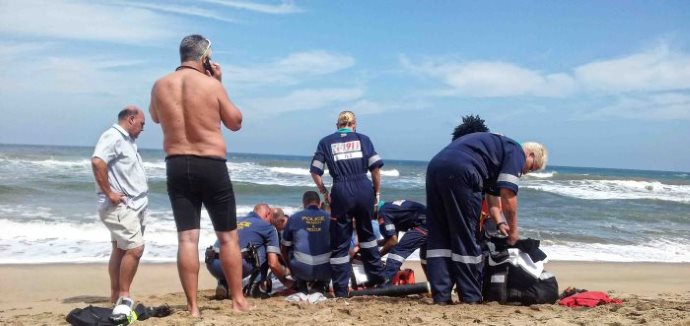
Why is there an increased emergency focus – is it because of higher traffic volumes, more events and parties or what would the reason be?
The increase focus is much like you said. There is a greatly increased traffic volume, more vehicles on the road resulting in more collisions.
There are also many parties (formal and informal ), functions etc., often where people consume alcohol and we then often see fights afterwards and then people driving intoxicated
Are there additional risks presented by the influx of non – KZN citizens? Do the non - familiarity of the area and driving conditions e.g. mountainous areas contribute towards road crashes?
I would say other factors like driving while tired have a greater risk.
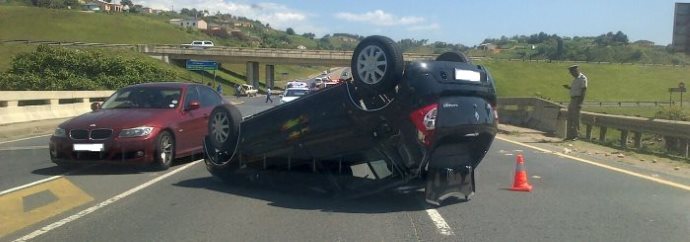
Can the increased demands for assistance be seen away from the roads as well – how does this reflect on other trauma such as stabbings, drownings, suicides etc..?
I have already touched on some of the points. Drownings and near drowning are defiantly a problem. Not only in the sea but also dams and rivers, as not only are the holiday makers swimming but also the locals, which include children who are at home on holiday
If you had to break down the reasons for emergency assistance required how would you estimate the percentages in terms of road trauma, trauma from crime away from the roads, drownings, trauma from medical conditions?
As EMS we respond to hundreds of calls every day, it difficult to give an exact break down, but all these calls including medical emergencies are common.
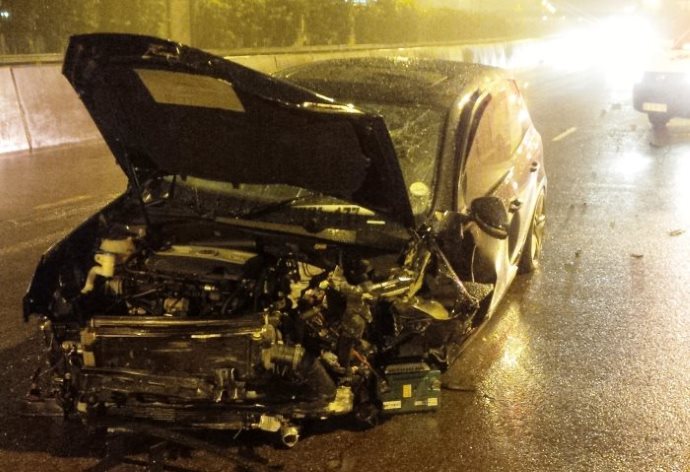
We always say that 85% of road crashes are caused by human error & drivers not obeying the rules of the road – could you also see this in the road crashes that you attended?
As EMS we usually refrain from commenting on the cause of a collision, however the statistics have proven that many collisions can be avoided and we urge all motorist to obey all the rules, or rather laws of the road.
Which were the major types of road crashes that you attended?
We see a wide range of accidents ranging from pedestrians being hit and trucks crashing at night.
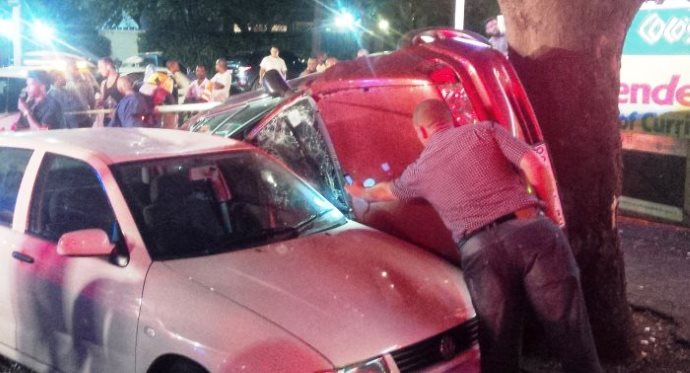
In KZN – what was your experience as to seatbelt wearing in the road crash scenes you attended – could an increase in wearing rates have reduced injury significantly?
The use of seat belts remains a problem. Seatbelts have been proven to reduce the morbidity and mortality of road crash victims. If we could please ask people to wear their seat belts and to secure their children in the vehicle as simply holding a child will is not an alternative.
On which aspects do you believe the media should place a bigger focus on to reduce trauma from road crashes and other trauma?
The trauma regardless of the cause is devastating. Trauma on the road normally gets more attention due to the number of people involved in the incidents and because collisions happen in public and on the roads which makes the incident more visible to the public. Media need to focus on encouraging people to obey the laws of the road when driving, which are in place for their and our safety.
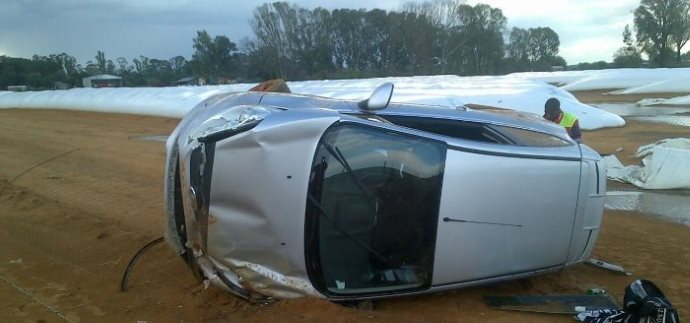
Do you analyse the past December and the responses to road crashes & and use this to plan for Easter and the next Festive Season.?
They are most definitely analysed in conjunction with the police and department of transport.
What do you wish for the public to know more of that could assist emergency medical response teams? Which misconceptions can we address to assist you in your efforts?
A few points
On emergency scenes people need to please give paramedics the space that they need to work and not crowd tightly around the scene. Often paramedics have to push their way thought the crowd to get to the patients.
Please allow emergency vehicles to pass when they have their emergency lights on and give them way at intersections.
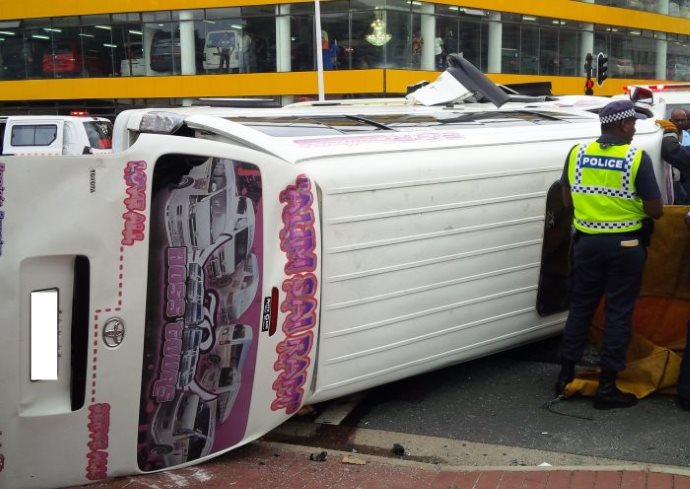
Also when motorists see an incident on the road, they need to SLOW down and be alert for people who are on scene and directing traffic. We only close the road as a last resort and often so for your safety.
Robert Mckenzie
Media Liaison Officer: Emergency Medical Services
KwaZulu - Natal Department of Health- South Africa
Also view:
Day in the life of an advanced life-support paramedic in KZN
Safe Driving when Hearing the Emergency Siren