Introduction
Every day, millions of South Africans share the same roads — from busy city commuters to long-haul truck drivers, parents on the school run, and holiday travellers. With so many different driving styles and destinations, frustration can easily creep in. But one of the simplest and most powerful tools for safer roads doesn’t cost a cent: courtesy.
Courtesy on the road isn’t just about being polite. It’s about patience, awareness, and respect for the shared space we all rely on. When drivers act considerately, they don’t just make traffic flow more smoothly — they actively prevent collisions, reduce stress, and save lives.
The Link Between Courtesy and Safety
Road accidents rarely happen in isolation. They result from a chain of small behaviours: impatience, rushing, or ignoring another driver’s right of way. Courtesy interrupts that chain.
When drivers yield, indicate clearly, or make space for others, they reduce uncertainty — and uncertainty is one of the main causes of collisions.
Consider this:
• A driver who gives another car time to merge prevents sudden braking that could cause a rear-end collision.
• A motorist who thanks others with a small wave encourages more cooperation in traffic.
• A pedestrian who makes eye contact before crossing helps drivers anticipate their movement.
In every case, courtesy adds a layer of predictability and calm to a potentially stressful environment.
The Psychology Behind Road Courtesy
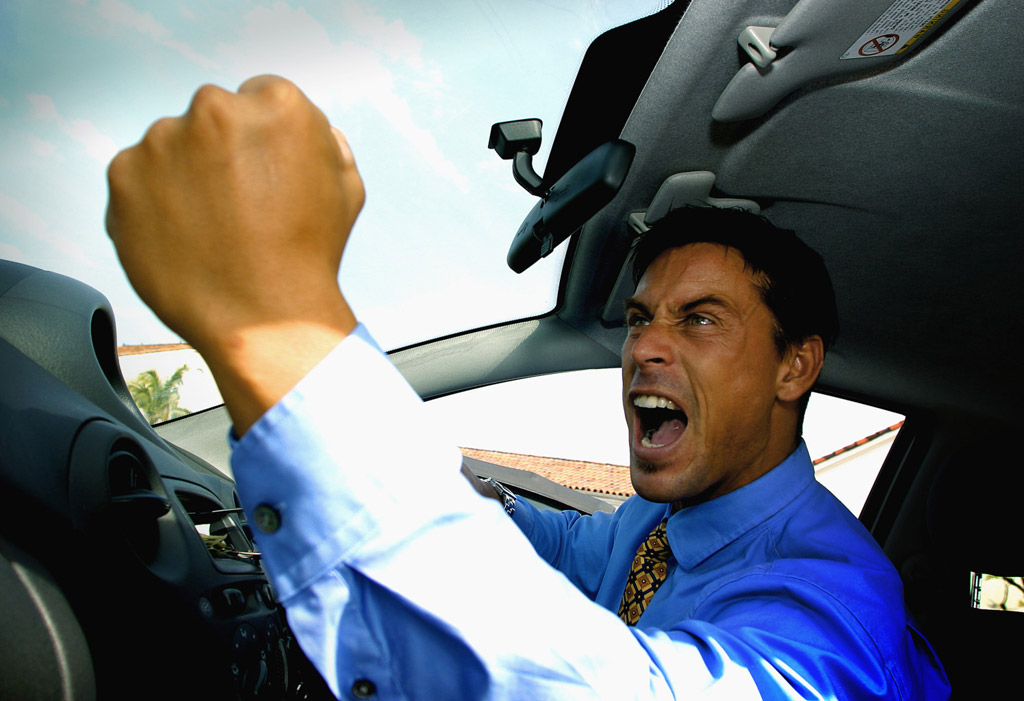
Driving is as much psychological as it is physical. Stress, anonymity, and competition can trigger aggression behind the wheel. Drivers may behave in ways they wouldn’t in face-to-face interactions — cutting in, honking unnecessarily, or refusing to let someone in.
Courtesy reverses that dynamic. Small gestures remind us that there’s a person behind every steering wheel — someone’s parent, child, or friend. This mental shift encourages empathy, which in turn leads to safer decision-making.
When courtesy becomes a habit, drivers naturally:
• Maintain safer following distances.
• Indicate intentions more clearly.
• Slow down for pedestrians and cyclists.
• Respond to mistakes with patience rather than anger.
Everyday Acts of Courtesy That Prevent Accidents
1. Allowing Others to Merge
• Merging lanes or on-ramps can create tension, especially during peak traffic. Allowing one car at a time to join (the “zipper merge” method) keeps traffic flowing smoothly and prevents last-minute lane changes.
2. Using Indicators Early
• Turn signals are among the simplest yet most ignored safety features. Indicating early tells others what you plan to do, giving them time to adjust safely. It’s not just courteous — it’s essential communication.
3. Keeping a Safe Following Distance
• Tailgating creates pressure and increases the risk of rear-end collisions. By maintaining a safe distance — at least two seconds behind the car in front — you give everyone more time to react calmly.
4. Yielding When Necessary
• Yielding doesn’t mean weakness; it means awareness. Giving way to pedestrians, cyclists, or merging vehicles reduces stress and shows responsibility for shared safety.
5. Acknowledging Kindness
• A simple thank-you wave or nod reinforces positive behaviour. It encourages a culture of respect on the road, where consideration is noticed and appreciated.
Courtesy Reduces Aggression
Road rage often starts with small annoyances that escalate — a missed indicator, a slow driver, or a near miss. Courtesy helps break this escalation early.
When drivers approach mistakes with patience instead of anger, the road becomes less of a battleground and more of a shared journey. Calm drivers make clearer, safer choices: they’re less likely to speed, weave through lanes, or take risks out of frustration.
Did you know?
Courtesy contributes to “traffic harmony,” where cooperation replaces confrontation, leading to measurable reductions in minor collisions.
Courtesy in Different Contexts
• In Cities
• Heavy traffic tests patience daily. Courtesy here means letting taxis, buses, and delivery vehicles rejoin lanes safely; being alert to pedestrians; and keeping intersections clear.
• On Highways
• High speeds demand anticipation. Signal early, overtake with care, and avoid hogging the right lane. Flashing lights or tailgating to pressure slower drivers only increases risk — instead, pass courteously and safely.
• In Rural Areas
• Courtesy extends to farmers, cyclists, and animals that may share the road. Slow down, dim headlights for oncoming traffic, and offer space when passing slower vehicles on narrow roads.
How Courtesy Saves Lives in South Africa
South Africa’s diverse road environment — from congested urban routes to open rural stretches — requires a shared sense of accountability.
Courtesy:
• Reduces chain reactions. One driver’s patience prevents panic braking by others behind them.
• Improves traffic flow. Cooperative merging and yielding reduce congestion points.
• Protects vulnerable road users. Courteous drivers watch for pedestrians, cyclists, and motorcyclists who are harder to see.
• Encourages emotional safety. Calm drivers help diffuse anger on the road, protecting both themselves and others.
Every courteous decision strengthens the safety net for all road users.
Teaching and Modelling Courtesy
Courtesy isn’t innate — it’s learned. Parents, instructors, and experienced drivers play a key role in modelling good road behaviour.
• For new drivers: Incorporate courtesy into lessons, not just technical skills.
• For families: Discuss road manners during trips, highlighting examples of considerate driving.
• For communities: Support road-safety campaigns that promote empathy, not just enforcement.
Over time, courtesy becomes culture — the kind of automatic, everyday respect that keeps roads safer for everyone.
The Ripple Effect
Courtesy has a ripple effect that extends beyond individual drivers. When one person gives way, thanks another, or stays calm in traffic, others notice — and often imitate.
Imagine every driver treating the road like a shared community space — cooperating instead of competing, communicating instead of confronting. That’s not just pleasant; it’s powerful road safety in action.
Courtesy and Responsibility Go Hand in Hand
Being courteous doesn’t mean ignoring rules or driving timidly. It means balancing confidence with respect. Following traffic laws, driving predictably, and giving others room to act safely are forms of responsibility that express courtesy.
In essence, courtesy is the human side of compliance — turning regulations into real-world cooperation.
Conclusion
Road safety isn’t just about technology, enforcement, or infrastructure — it’s also about attitude. Courtesy turns driving from a solitary task into a shared responsibility. It reduces accidents not through complex systems, but through simple, everyday respect.
A courteous driver is an aware driver: calm, patient, and considerate of others’ needs. Every wave of thanks, every moment of patience, every metre of space given adds up to safer journeys for all.
As South Africans travel this festive season and beyond, let’s remember that safety begins with how we treat each other — not just at home or at work, but behind the wheel. A little kindness truly goes a long way.
Disclaimer
This article is intended for general educational purposes only. It does not replace professional driver training, safety certification, or official traffic regulations. Always follow South African road laws and drive with awareness, patience, and courtesy.