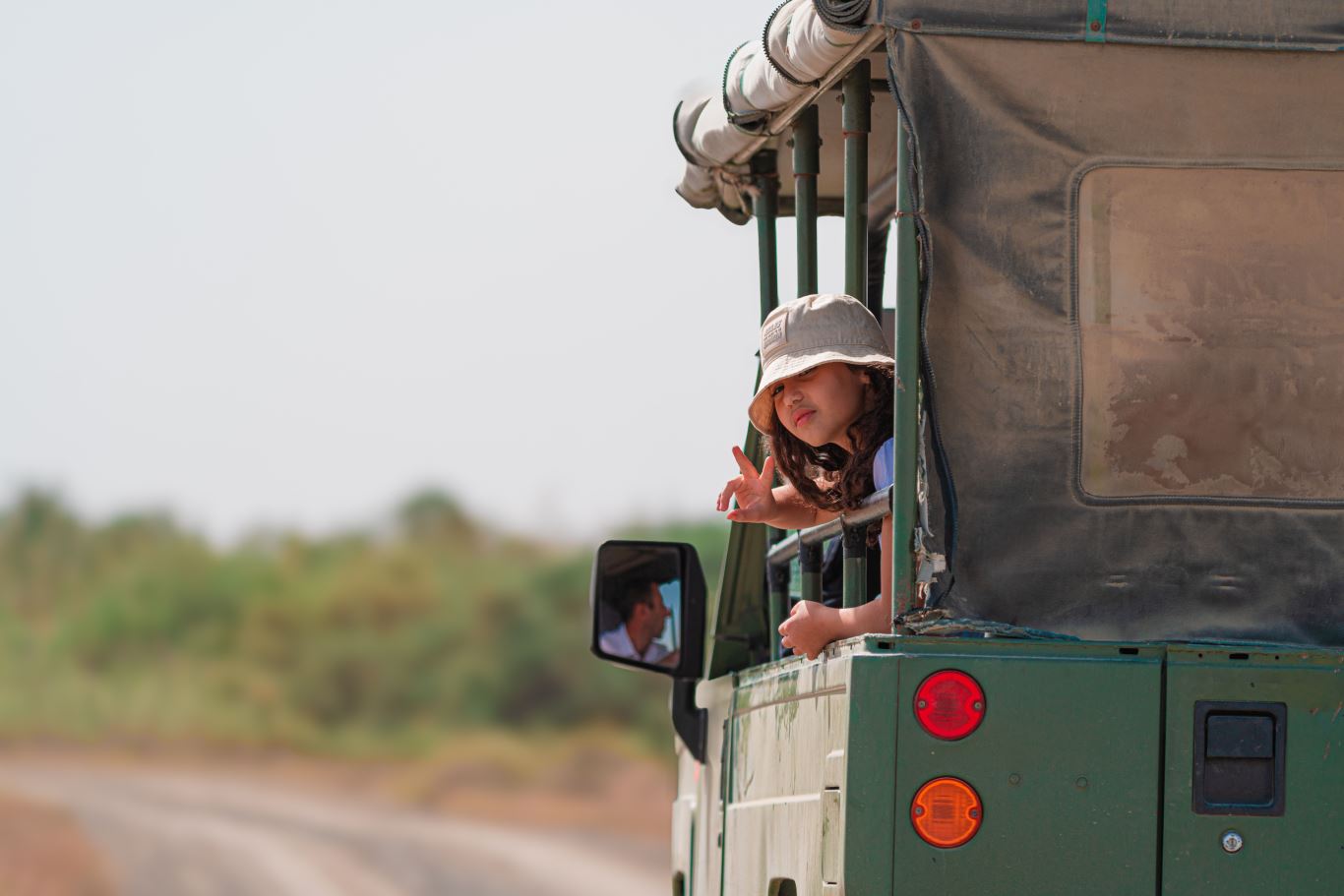
Planning a road trip in South Africa offers an unparalleled adventure through dramatic landscapes, vibrant cities, and legendary wildlife reserves. However, navigating a country of this scale requires careful preparation to ensure a smooth and safe journey. By following a structured approach, you can transform a complex itinerary into the trip of a lifetime, writes Vanessa Rogers.
South Africa boasts diverse regions, each suited to different travel styles and seasons. The Garden Route along the southern coast delivers lush forests and coastal towns, making it ideal for families. For dramatic mountain passes and cultural heritage, the Drakensberg region excels. If your primary goal is wildlife viewing, the northeast circuit around Kruger National Park is unmatched.
Timing is equally critical. Winter, from May to September, brings dry weather and sparse vegetation, which is perfect for spotting game in the north. Conversely, the summer months from November to March offer optimal beach weather along the Cape.
Renting a vehicle
Your choice of vehicle dictates where you can travel safely, and without ultimate passenger comfort. A standard sedan suffices for well-paved highways such as the N1 or N2. However, exploring rural areas, such as the Wild Coast, or remote nature reserves, often demands a high-clearance vehicle or a 4x4.
According to most road trip guides, renting a vehicle with good ground clearance is highly recommended to comfortably navigate unexpected potholes and gravel roads. Further, always ensure that your rental agreement permits driving on unpaved roads, and includes comprehensive insurance coverage for gravel challenges.
Establishing a realistic pace
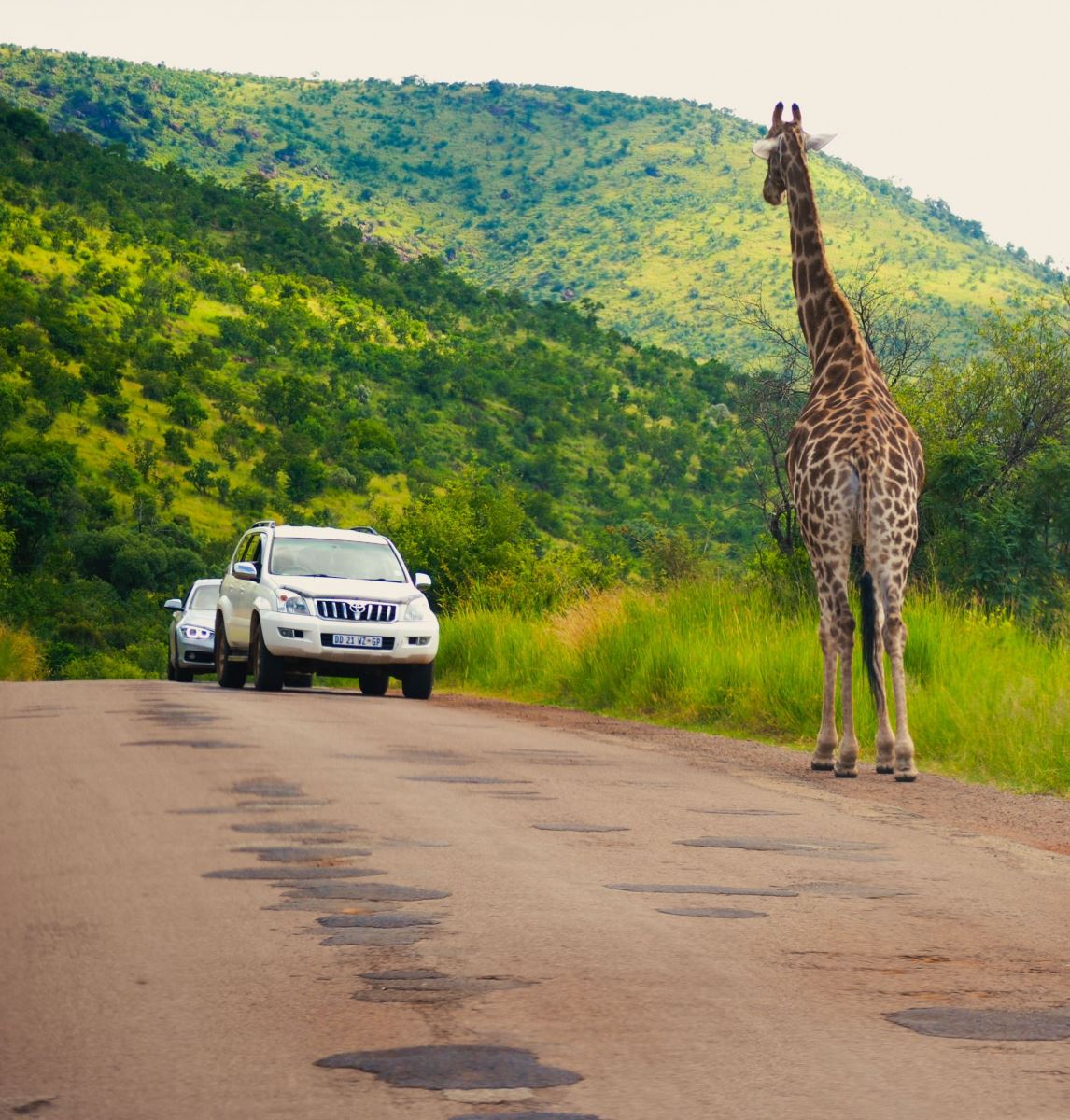
Distances between South African attractions are deceptive. Driving from Johannesburg to Cape Town takes at least 14 hours of pure driving time, so avoid the temptation to overpack your itinerary.
Cap your daily driving at four to five hours to allow time for spontaneous roadside stops, farm stalls, and scenic viewpoints. Factoring in rest days allows you to immerse yourself in local communities, rather than just viewing them through a windshield.
Prioritising safety & navigation
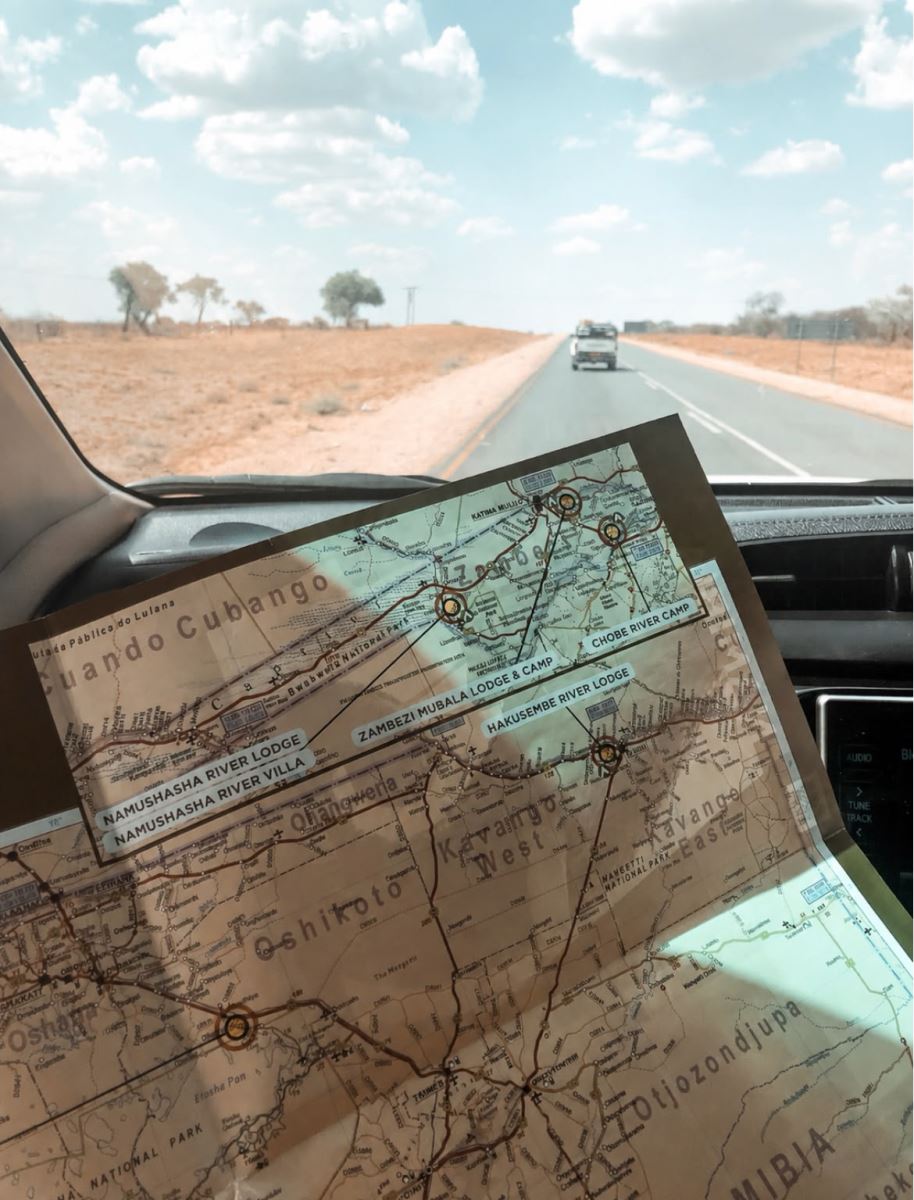
Road safety requires proactive planning. Always map out your route in advance, and download offline maps – as mobile signal could drop completely on mountain passes and in deep rural areas. Also, plan your itinerary so that you arrive at your destination before sunset.
Driving at night is highly discouraged due to poorly lit roads, stray livestock, and pedestrian traffic. Keep your fuel tank topped up; in remote areas such as the Karoo, petrol stations can be spaced many hundreds of kilometres apart.
Enjoying the best in local cultures & flavours
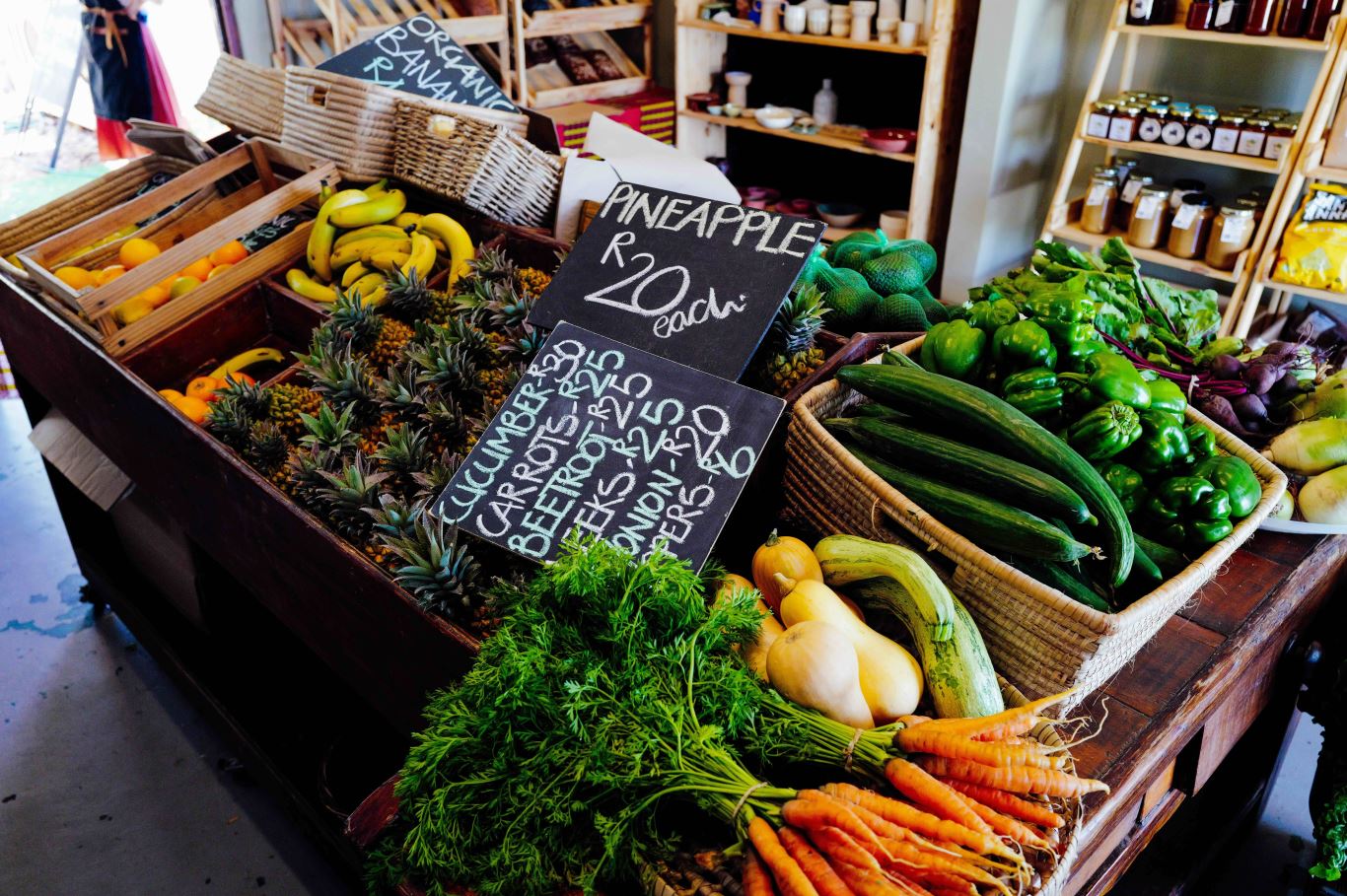
A South African road trip is incomplete without experiencing its famous roadside fare. Farm stalls, known locally as padstalle, are essential stops for refuelling both your body, and your vehicle. These shops offer homemade pies, biltong, traditional koeksisters, and locally sourced preserves.
Engaging with small-town residents and supporting these independent businesses often yields the best insider tips when it comes to hidden viewpoints and local secrets.
Quick note for on-the-go travellers
By selecting the best region for the season, securing a durable vehicle, and pacing your journey sensibly, you are sure to mitigate the primary risks of long-distance travel. South Africa’s roads invite exploration – provided that you respect the distances and drive defensively.
With your logistics locked down, you will be free to enjoy the open horizon, together with the shifting landscapes of this remarkable country.
• Check out Travex.com for an astute selection of highly photographic destinations, both in South Africa and further afield.