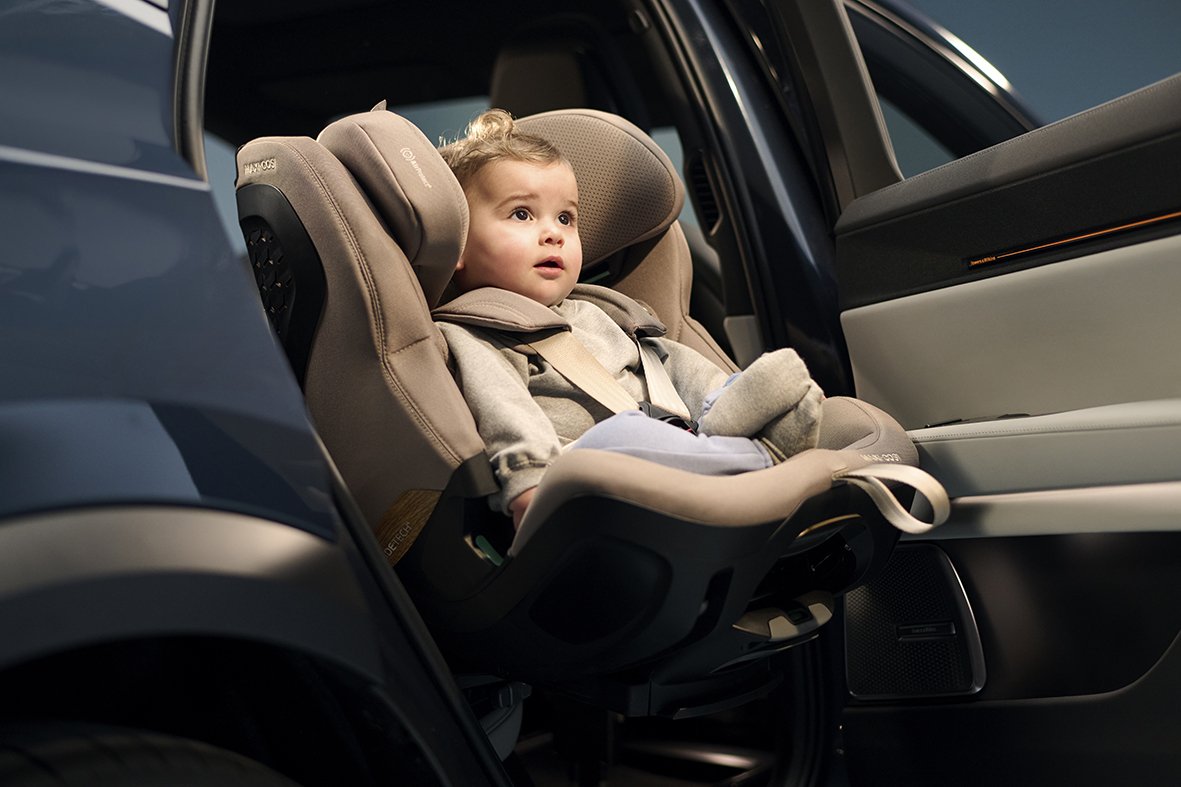
As South Africa marks Child Passenger Safety Week from 20 to 26 September 2026, Maxi-Cosi is encouraging parents and caregivers to rethink how children are protected at every stage of their journey, because the choices made today can help protect their tomorrow. From rearward-facing protection in the early years to booster seat safety as they grow, choosing the right car seat is one of the most important ways parents can back their child’s future.
Think it’s time to turn their seat around? Think again. Keeping babies and toddlers rearward-facing for longer is one of the most important ways to protect them in the event of a crash.
Young children are particularly vulnerable because their heads are proportionally larger, their neck muscles are still developing, and their spines are not yet fully matured. In head-on and multi-vehicle collisions (among the most common and often most severe types of crashes) a forward-facing child is propelled forward, placing significant strain on the head, neck and spine. A rearward-facing car seat helps distribute crash forces more evenly across the child’s back and head, helping to reduce the risk of serious injury.
“Rear-facing shouldn’t simply be seen as a stage to move beyond,” says Debbie Billson from Maxi-Cosi. “Keeping your child rear-facing for as long as possible can be one of the most important safety decisions you make, because protecting them today means helping protect their future.”
Under i-Size (UN Regulation R129) the European child car-seat safety regulation, children should travel rearward-facing until at least 15 months, with many experts recommending longer, potentially until around four years, depending on the child’s height and the limits of their car seat.
Unlike older regulations that focused primarily on weight, i-Size places greater emphasis on height and developmental stage, making height the most important consideration when choosing the right car seat and ensuring the restraint fits correctly.
And as children grow, protecting their future means knowing when the next stage of protection is needed.
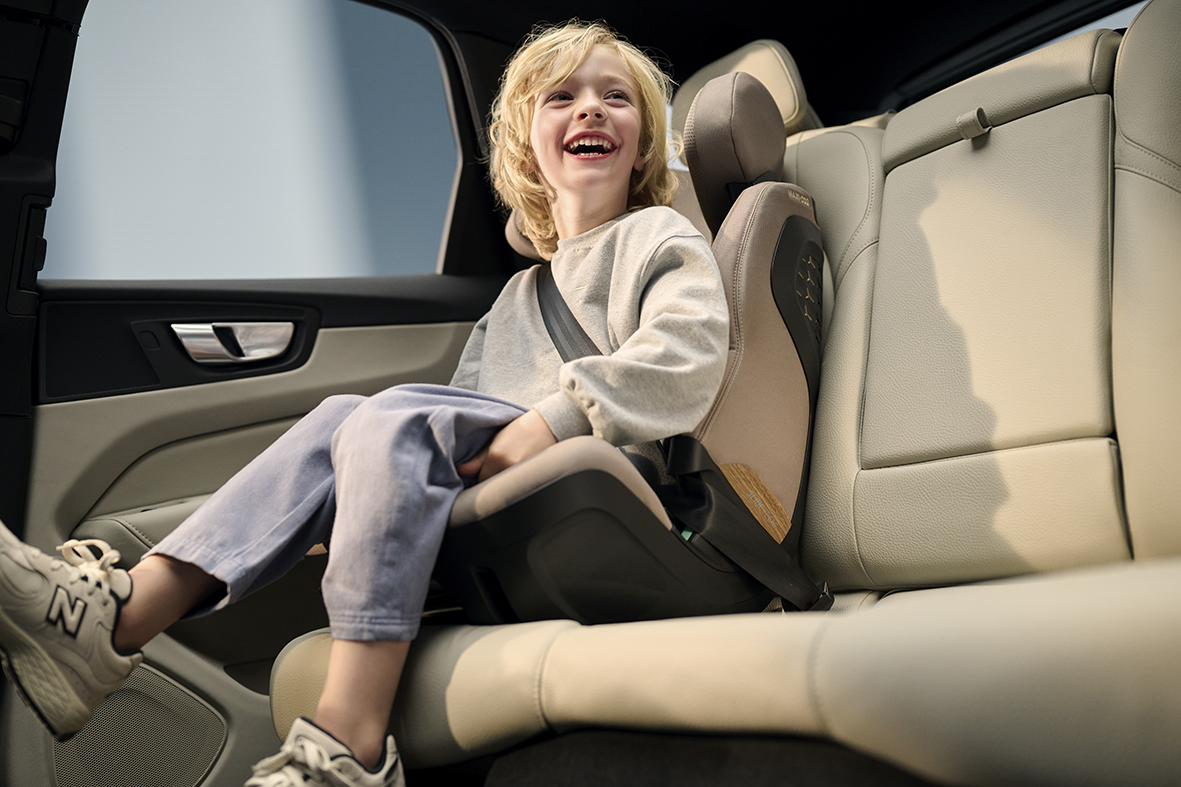
Another important stage of child passenger safety that can easily be overlooked is the move to a booster seat. A child may look too big for a toddler car seat, but still be too small for an adult seatbelt to fit correctly.
“A standard seatbelt is designed around an adult body,” explains Billson. “A booster seat raises the child into the correct position, helping the belt sit securely across the hips and pelvis and across the chest and shoulder, rather than across the stomach or neck.”
Using a booster seat can significantly reduce the risk of injury compared with a seatbelt alone, with studies showing up to a 59% reduced risk of injury for children aged four to eight. Children should generally continue using a booster seat until they reach approximately 150 cm in height, typically around 10 to 12 years old. If the lap belt rides up onto the tummy or the shoulder belt crosses the neck, they are not yet ready to travel without a booster.
This Child Passenger Safety Week, parents are encouraged to look beyond age alone and check that their child is travelling in the right child restraint for their height and stage of development. Because every stage of their journey matters – and every decision to buckle up is a decision to help protect what comes next.
Back Their Future. Buckle Up.
For more information, visit: https://maxicosisa.co.za/news/child-passenger-safety/